Quick answer: To choose the right interior designer in Singapore, start with their portfolio and check for projects like yours, whether that’s a BTO, a resale HDB or a condo. Make sure they know HDB renovation rules. Then compare detailed quotes, read real client reviews, check their credentials, and pick someone who communicates clearly and understands how you live.
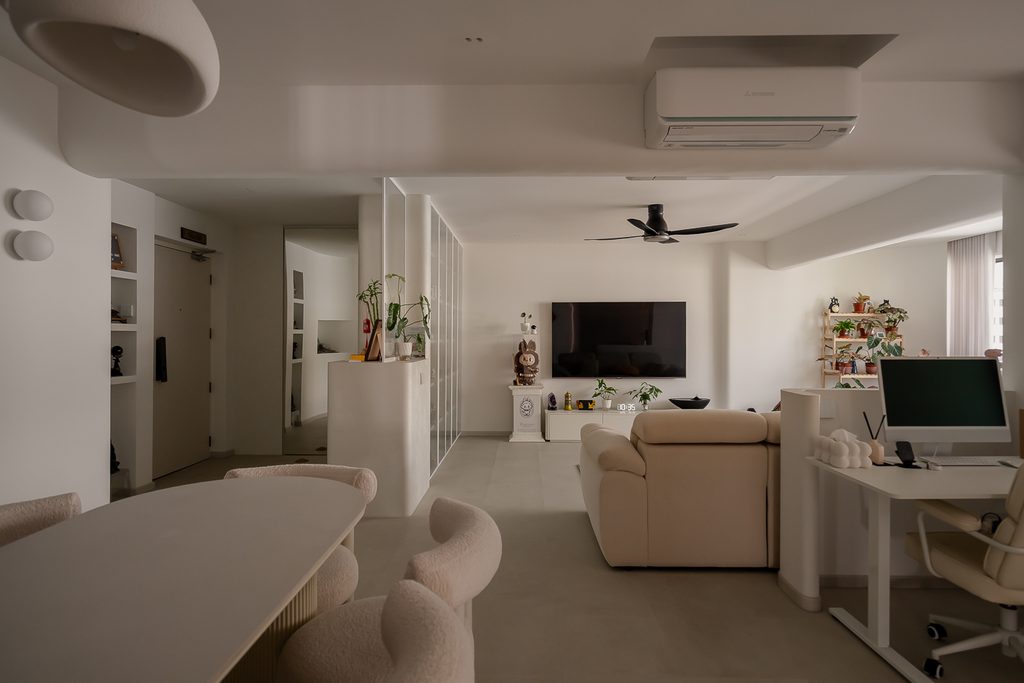
Renovating your home is an exciting milestone, but finding the right interior designer in Singapore can feel overwhelming. With countless interior design firms offering different styles, renovation packages, and services, how do you know which one is the best fit for your home?
Whether you’ve just collected the keys to your first BTO flat, purchased a resale HDB apartment, or are planning to transform your condominium, choosing the right interior designer is one of the most important decisions in your renovation journey.
After all, a beautiful home isn’t just about aesthetics. It’s about creating a comfortable, functional space that complements your lifestyle, maximises available space, and stays within your renovation budget.
The right interior designer should be able to understand your vision, recommend practical design solutions, and guide you through the renovation process. This includes everything from space planning and material selection to renovation timelines and contractor coordination.
In Singapore, homeowners also need to consider local renovation requirements. For instance, HDB renovations must be carried out by contractors listed in the HDB Directory of Renovation Contractors, while certain renovation works require approval before they can begin. Working with professionals who understand these requirements can help minimise unnecessary delays and complications.
At Todzterior, interior design is about more than creating visually appealing spaces. With an emphasis on thoughtful space planning and personalised design concepts, Todzterior believes that a well-designed home should enhance everyday living while reflecting each homeowner’s unique personality and needs.
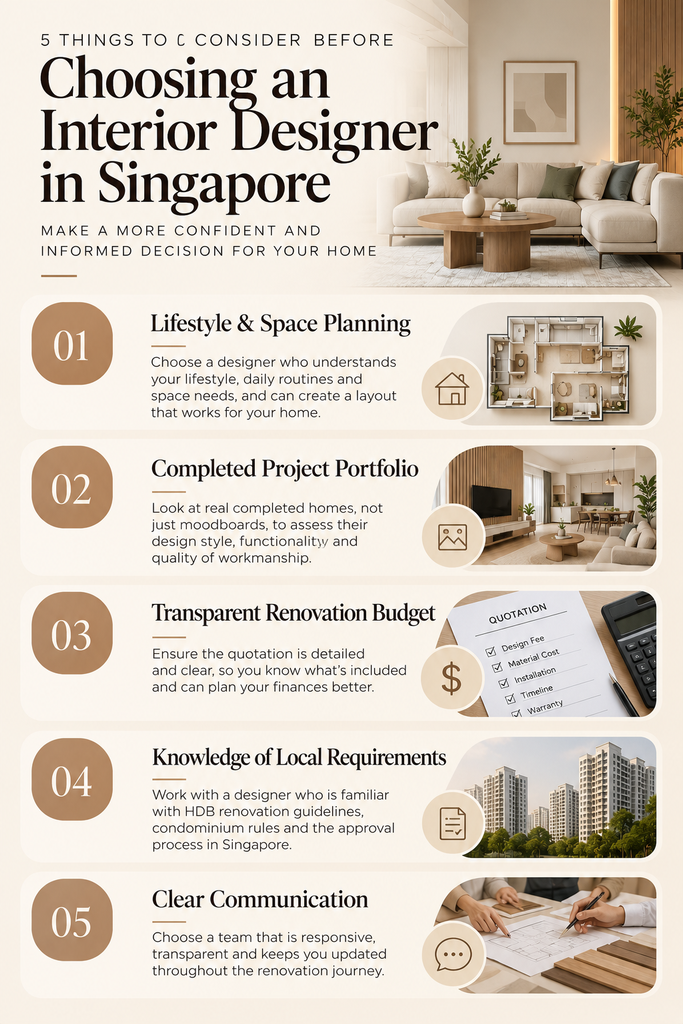
Before committing to an interior design firm, it’s important to know what to look for, what questions to ask, and how to evaluate your options.
In this guide, we’ll explore seven essential tips for choosing the right interior designer in Singapore, helping you make a confident and informed decision before starting your home renovation journey.
1. Review the Interior Designer’s Portfolio and Past Projects
One of the best ways to choose the right interior designer in Singapore is to explore their portfolio of completed projects. While an impressive design concept may catch your attention, actual renovation projects reveal much more about a designer’s creativity, experience, and ability to transform ideas into practical living spaces.
A strong interior design portfolio should showcase a variety of completed homes, from compact BTO flats to spacious resale HDB apartments and condominiums. More importantly, it should demonstrate how the designer balances aesthetic appeal, functionality, and the homeowner’s lifestyle needs.
Look Beyond Beautiful Interior Design Photos
It’s easy to fall in love with a beautifully styled living room or a luxurious kitchen. However, when evaluating an interior designer’s previous work, look beyond the colours, furniture, and decorative elements.
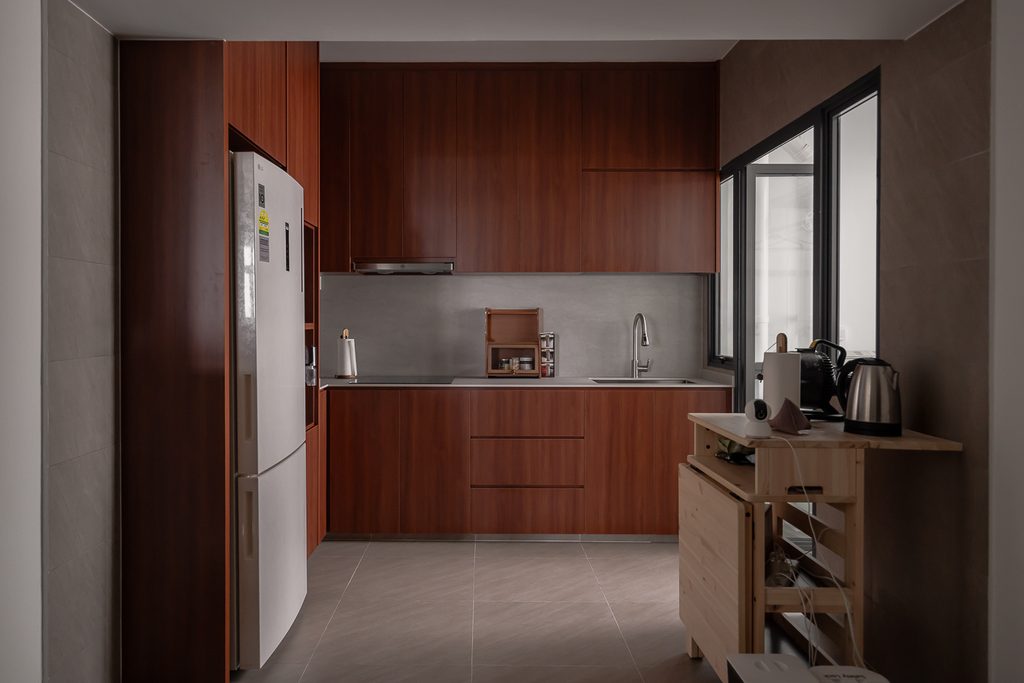
Pay attention to how each space has been planned. Does the living room feel spacious and welcoming? Are the storage solutions practical? Does the kitchen layout allow for comfortable movement and everyday cooking?
For Singapore homeowners, where maximising available living space is often a priority, thoughtful design decisions can make a significant difference.
For example, well-designed built-in cabinetry can reduce visual clutter, while carefully positioned furniture can improve circulation and make smaller rooms feel more open.
If you’re exploring ways to improve your home’s functionality, Todzterior’s guide to HDB apartment layouts and space optimisation offers useful insights into making the most of compact living spaces.
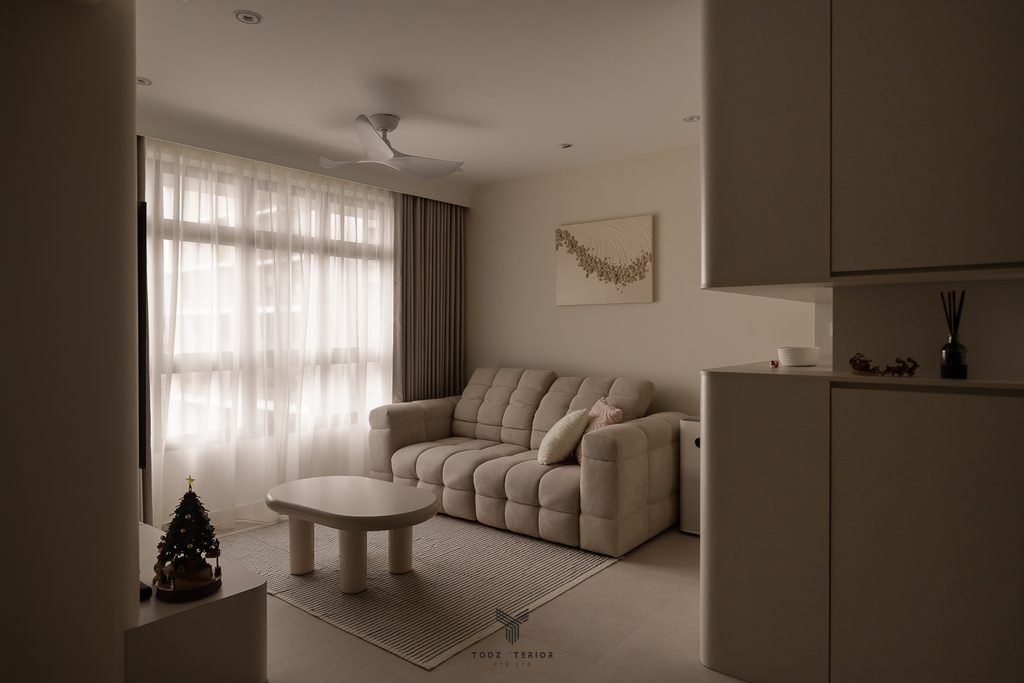
Choose an Interior Designer With Experience in Your Property Type
Not every renovation project comes with the same challenges. Renovating a new BTO flat can be quite different from upgrading an older resale HDB apartment or redesigning a condominium.
An interior designer with relevant project experience will be better equipped to understand the layout limitations, renovation requirements, and design opportunities associated with your property.
When reviewing their portfolio, try to find completed projects that resemble your own home in terms of size, layout, or design objectives.
For instance, if you own a five-room HDB flat, you might want to explore 5-room HDB interior design ideas to understand how larger living spaces can be styled while maintaining functionality.
Similarly, homeowners with smaller flats can explore 3-room BTO design ideas for inspiration on efficient layouts and space-saving features.
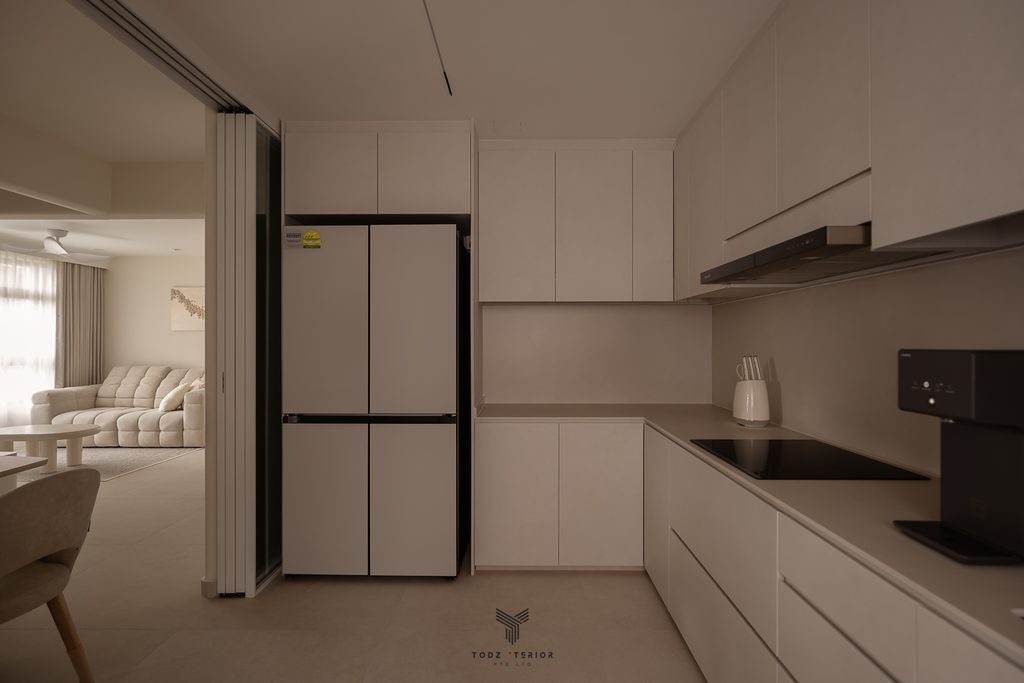
Explore Todzterior’s Completed Interior Design Projects
At Todzterior, creating a beautiful home begins with understanding how people live. The team places emphasis on space planning, material selection, and personalised design concepts that reflect each homeowner’s preferences.
From contemporary interiors to practical family living spaces, Todzterior’s portfolio offers homeowners an opportunity to explore different renovation approaches and find inspiration for their own projects.
You can browse Todzterior’s completed residential interior design projects to discover how different layouts, finishes, and design elements come together.
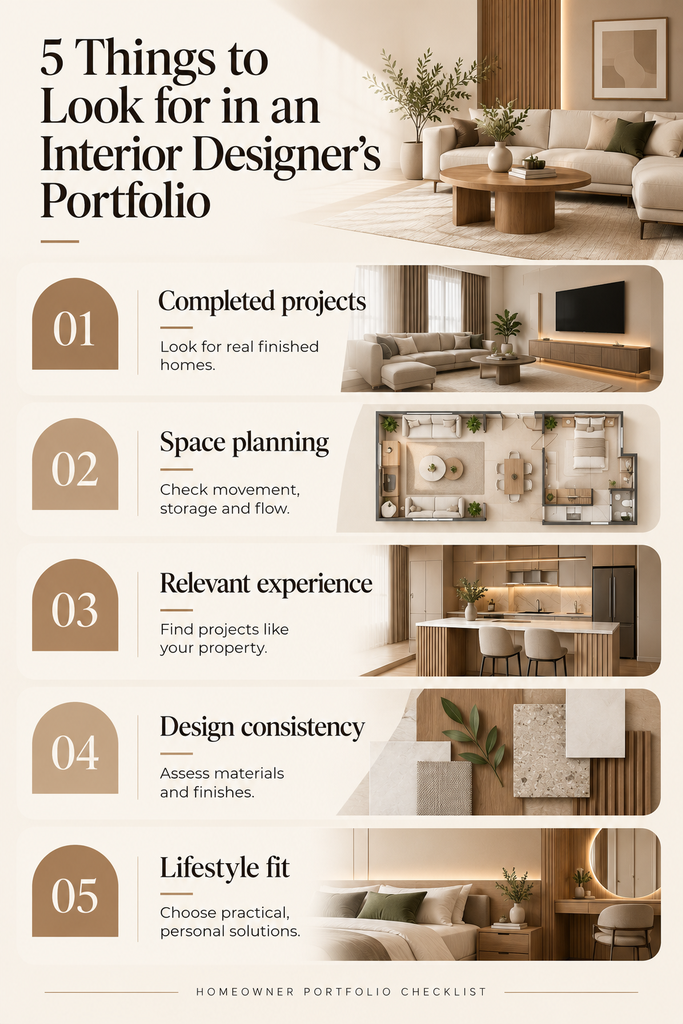
Ultimately, the best interior design portfolio isn’t necessarily the one with the most luxurious photographs. It’s the one that demonstrates consistent design quality, thoughtful space planning, and solutions that suit real homeowners’ needs.
By reviewing completed projects carefully, you’ll have a clearer idea of whether an interior designer’s experience, design approach, and style align with your vision for your home.
2. Choose an Interior Designer Who Understands Singapore Homes and Renovation Requirements
When choosing an interior designer in Singapore, it’s important to find someone who understands more than just design trends. Every home comes with its own layout considerations, renovation restrictions, and practical challenges, particularly when it comes to HDB flats and condominiums.
An experienced interior designer should know how to create beautiful, functional spaces while taking into account local housing regulations, renovation procedures, and the specific requirements of your property.
Working with a team familiar with Singapore’s residential landscape can help you plan your renovation more confidently and avoid unnecessary complications along the way.
Understand the Differences Between BTO, Resale HDB and Condo Renovations
Different property types require different renovation approaches. A newly completed BTO flat may need flooring, cabinetry, lighting, and other essential fittings, while an older resale HDB flat could involve additional work such as replacing existing finishes, upgrading plumbing, or reconfiguring certain spaces.
Condominium renovations present another set of considerations, including management approval, renovation deposits, contractor access, and restrictions imposed by the building’s management.
That’s why it’s important to choose an interior designer who has experience working with your particular property type.
For example, if you’re planning to renovate an HDB flat, Todzterior’s guide to planning your HDB renovation offers useful information on organising your renovation budget, timelines, design decisions, and project preparation.
Make Sure Your Designer Understands HDB Renovation Guidelines
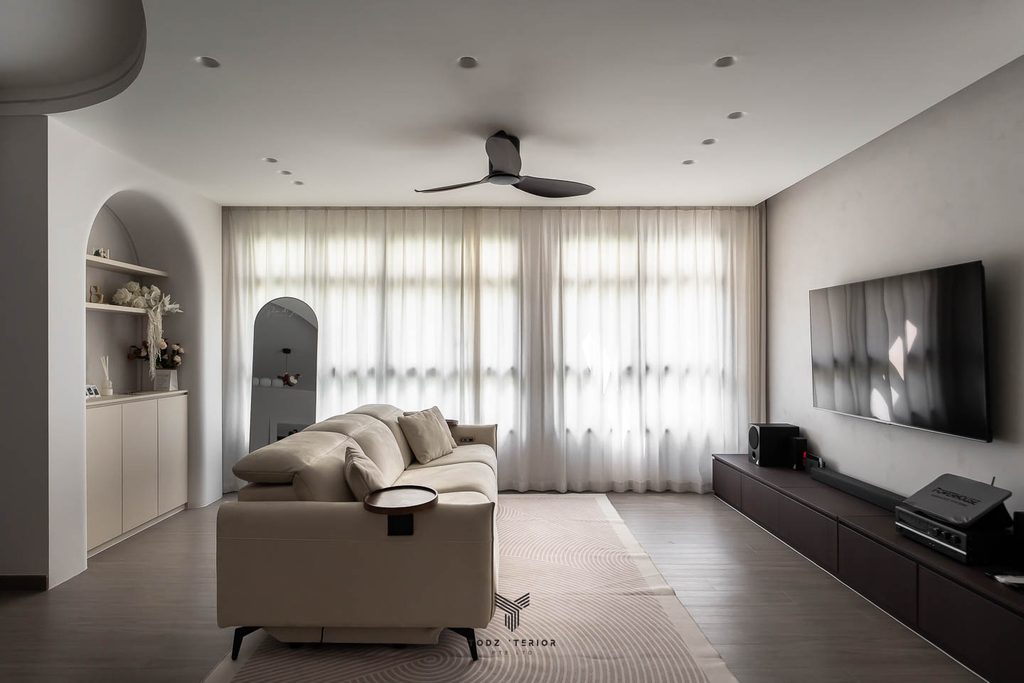
For HDB homeowners, understanding renovation regulations is especially important.
The Housing & Development Board (HDB) has established renovation guidelines to protect building safety, structural integrity, and the living environment of neighbouring residents.
Before starting renovation work, homeowners should be aware of several important requirements:
- Approved renovation contractors: HDB renovation works must be carried out by contractors listed in the HDB Directory of Renovation Contractors.
- Renovation permits: Certain works, including wall hacking, require HDB’s prior approval.
- Structural restrictions: Homeowners cannot freely remove structural elements or make alterations that compromise the building’s integrity.
- Renovation working hours: General renovation works are restricted to stipulated hours, with additional limitations on noisy activities.
- Licensed professionals: Certain electrical, plumbing, gas, and window-related works must be handled by appropriately licensed or approved specialists.
An interior designer who understands these requirements can help homeowners identify potential restrictions early and coordinate with the appropriate renovation professionals.
For a more detailed overview, you can explore Todzterior’s HDB renovation permit guide or refer to the official HDB renovation guidelines.
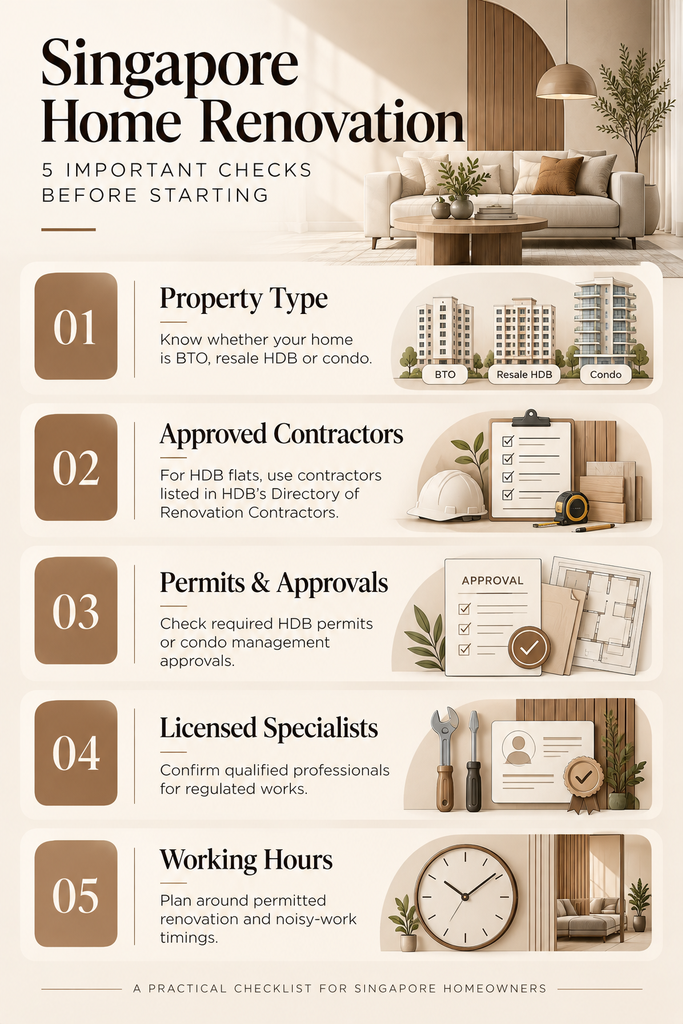
Look for Practical Solutions That Suit Singapore’s Living Spaces
Besides understanding renovation regulations, a good interior designer should know how to address the practical challenges of living in Singapore.
Limited floor space, storage requirements, natural lighting, and ventilation are all important considerations, especially in apartments where every square metre matters.
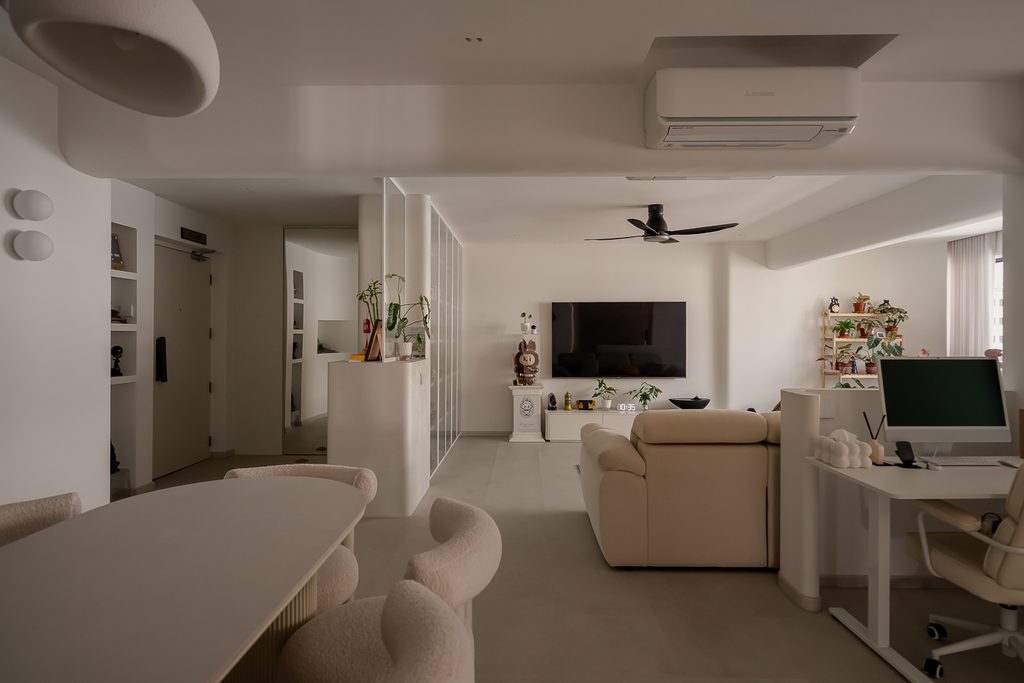
For instance, a designer might recommend full-height storage cabinets to maximise vertical space, sliding doors to improve movement between rooms, or multifunctional furniture to create a more flexible living environment.
These design decisions should be based on how you use your home rather than simply following the latest interior design trends.
At Todzterior, homeowners can explore completed residential renovation projects to discover different approaches to space planning, interior finishes, and home layouts.
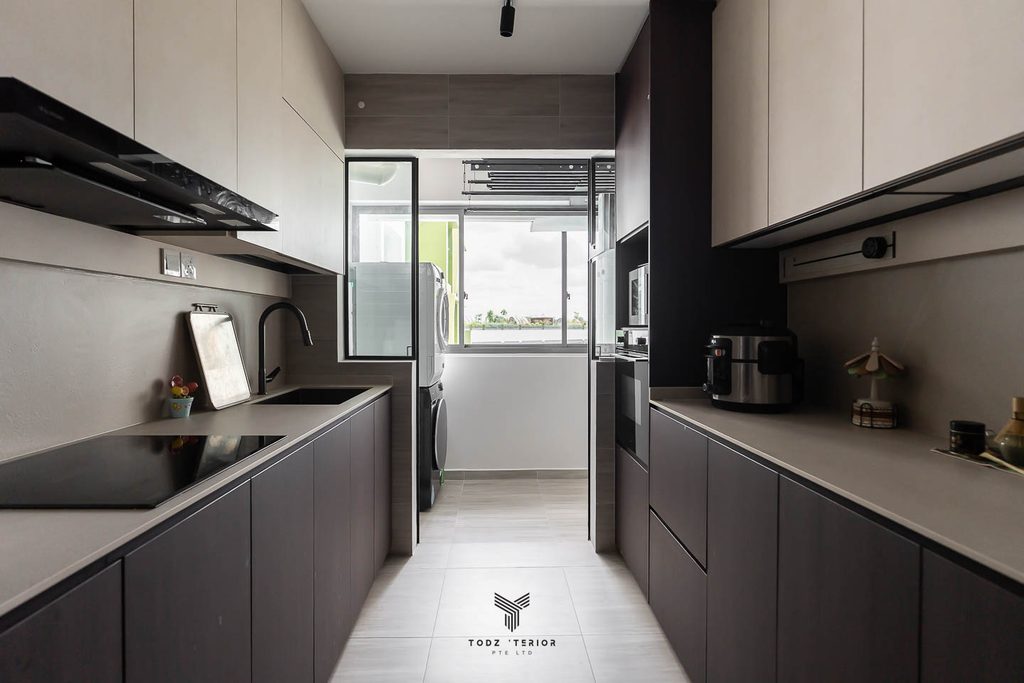
Ultimately, choosing an interior designer who understands Singapore’s housing environment is about more than meeting renovation regulations. It’s about working with someone who can combine local expertise, thoughtful design, and practical solutions to create a home that looks beautiful and functions comfortably for years to come.
3. Prioritise Smart Space Planning and Functional Interior Design
A beautifully designed home should do more than look impressive in photographs. It should also make everyday living easier, more comfortable, and more enjoyable.
When choosing an interior designer in Singapore, look for someone who prioritises smart space planning and functional interior design alongside aesthetics. This is especially important for HDB flats and condominiums, where making efficient use of available space can significantly improve the overall living experience.
A good interior designer should understand how you use each room, identify potential layout challenges, and recommend practical solutions that complement your lifestyle.
Make the Most of Every Square Metre
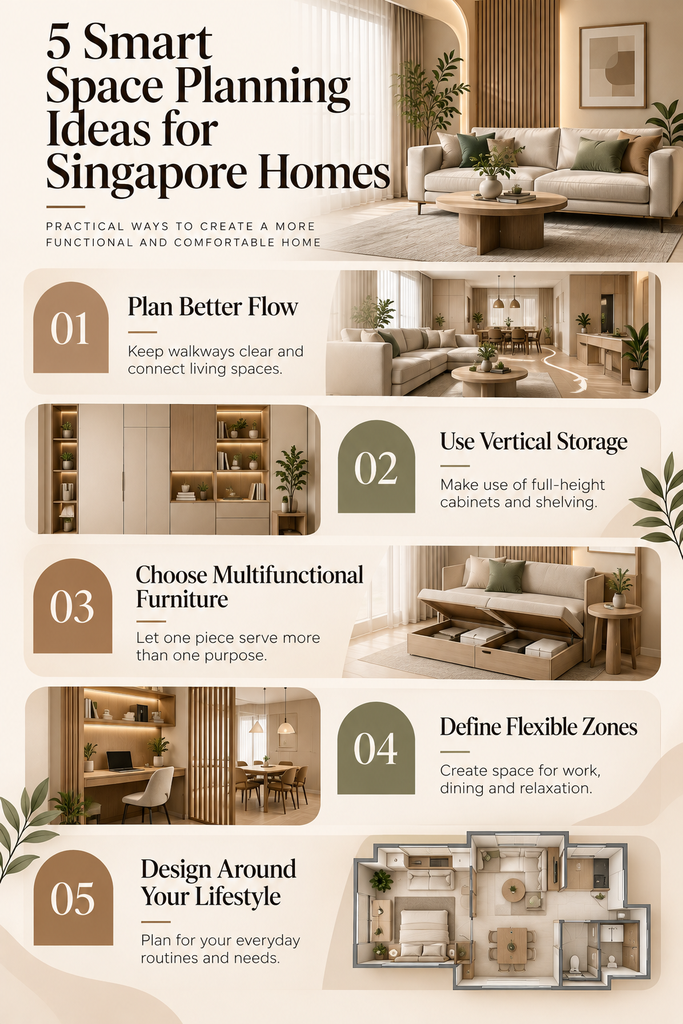
In Singapore, where many homeowners live in apartments with limited floor space, thoughtful planning can make even a compact home feel comfortable and spacious.
Rather than simply filling rooms with furniture and decorative features, an experienced interior designer should consider how people move through the home and how different spaces connect.
For example, an open-concept living and dining area can create a more seamless visual flow, while strategically positioned furniture can help define functional zones without making the space feel cramped.
Other practical space-planning solutions include using sliding doors where suitable, selecting furniture with appropriate proportions, and ensuring walkways remain comfortable and unobstructed.
For more inspiration, explore Todzterior’s article on maximising HDB apartment layouts, which highlights practical ways to improve space efficiency and create comfortable living environments.
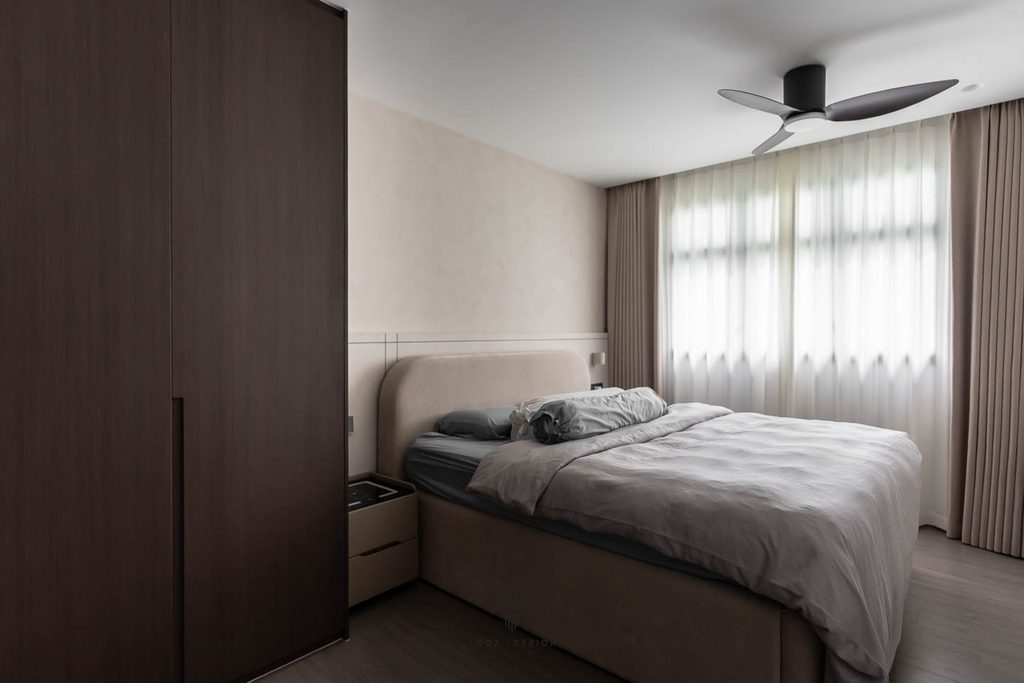
Incorporate Smart Storage Without Compromising Style
Storage is one of the most important elements of a functional home, yet it’s often overlooked during the initial design planning stage.
Without sufficient storage, even the most beautifully renovated home can quickly feel cluttered and disorganised.
That’s why it’s worth choosing an interior designer who can incorporate practical storage solutions into the overall design rather than treating them as an afterthought.
Some effective storage ideas for Singapore homes include:
- Full-height built-in cabinets: Make use of vertical wall space while keeping belongings neatly organised.
- Platform beds with storage: Provide additional compartments for bedding, seasonal clothing, and other household items.
- Multifunctional furniture: Incorporate hidden storage into benches, coffee tables, or other furniture pieces.
- Custom kitchen cabinetry: Maximise available cabinet space with thoughtfully arranged drawers, shelves, and organisers.
- Integrated storage solutions: Conceal everyday essentials behind cabinetry that blends with the overall interior design.
For smaller bedrooms, you can also explore Todzterior’s guide on maximising space in HDB master bedrooms to discover ways to combine comfort, storage, and visual appeal.
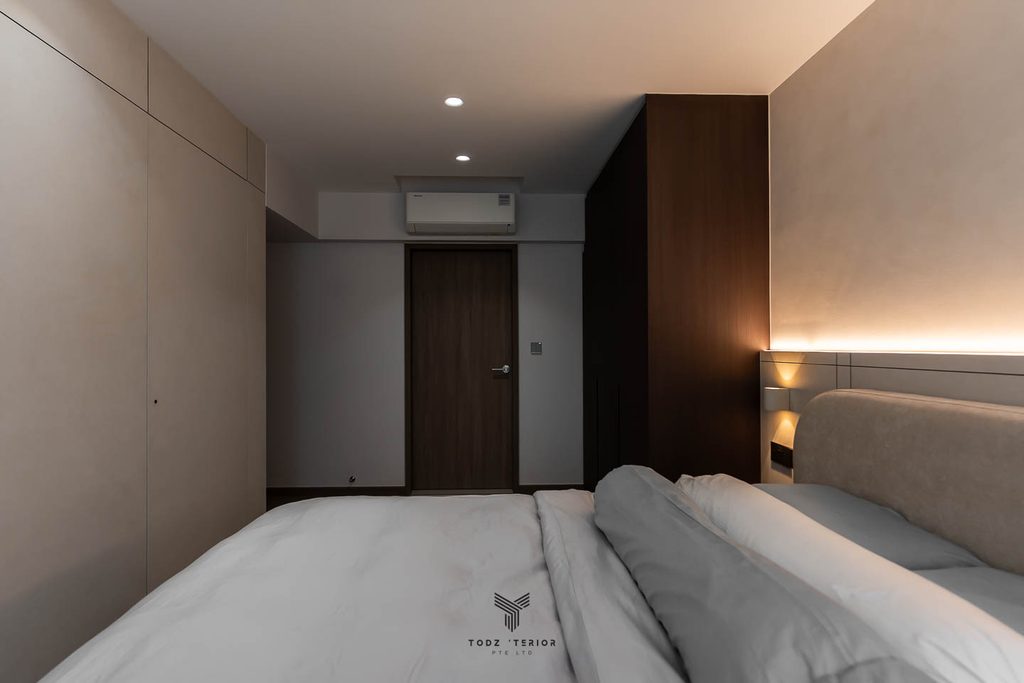
Design Your Home Around Your Daily Lifestyle
Every homeowner has different routines, preferences, and priorities. A layout that works perfectly for one family may not necessarily suit another.
For instance, a couple who frequently hosts friends might prefer a spacious dining area and an open kitchen, while a family with young children may prioritise easy-to-maintain materials, generous storage, and safe circulation spaces.
Similarly, homeowners who work from home may benefit from a dedicated workstation, suitable lighting, and a quiet environment that supports productivity.
These lifestyle considerations should influence the overall design direction from the beginning.
Rather than following trends blindly, look for an interior designer who takes the time to understand your daily habits and translates them into meaningful design choices.
Balance Functionality With Your Preferred Interior Design Style
Practicality doesn’t mean sacrificing personal style.
Whether you prefer a minimalist, Scandinavian, Japandi, or contemporary interior, thoughtful space planning can help create a home that feels both visually appealing and comfortable to live in.
For example, a minimalist interior can incorporate concealed storage to maintain clean lines, while a contemporary home may use multifunctional furniture and carefully layered lighting to create flexible living areas.
You can explore more inspiration in Todzterior’s article on incorporating minimalist design into your home, which discusses how to create stylish spaces without unnecessary clutter.
At Todzterior, the design process begins with understanding homeowners’ space requirements and preferred interior styles, followed by space-planning proposals and design concepts tailored to their lifestyles.
Ultimately, the right interior designer should help you achieve a balance between beautiful aesthetics, practical functionality, and long-term comfort.
By prioritising how your home will be used every day, you can create a living space that remains enjoyable and functional well beyond the completion of your renovation.
4. Compare Renovation Quotations and Understand the Costs
Renovating your home is a significant financial investment, which makes understanding renovation costs an important part of choosing the right interior designer in Singapore.
While it’s tempting to select the firm offering the lowest price, the cheapest renovation quotation isn’t always the best value. Instead, look for an interior designer who provides transparent pricing, clear explanations, and a realistic breakdown of the work involved.
Look for Detailed and Transparent Renovation Quotes
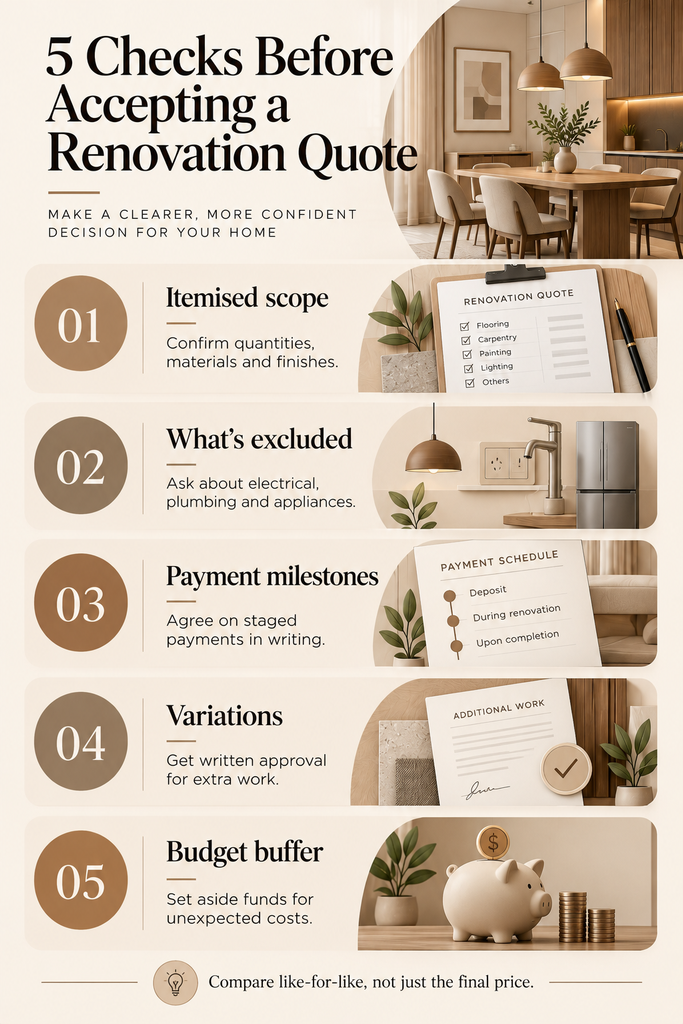
A reliable renovation quotation should clearly outline the scope of work, materials, labour costs, and individual renovation components.
Before signing a contract, check whether the quotation includes:
- Carpentry and cabinetry: Built-in wardrobes, kitchen cabinets, and storage units.
- Flooring and tiling: Materials, installation, and any necessary hacking.
- Electrical and plumbing works: Lighting points, sockets, piping, and related installations.
- Painting and finishing: Wall treatments, ceiling works, and finishing materials.
- Additional expenses: Permit fees, debris disposal, and other applicable charges.
Be sure to clarify what’s excluded from the quotation, as items such as appliances, light fixtures, or additional electrical points may incur separate charges.
If you’re planning an HDB renovation, Todzterior’s HDB renovation cost guide offers useful insights into the factors that influence renovation expenses in Singapore.
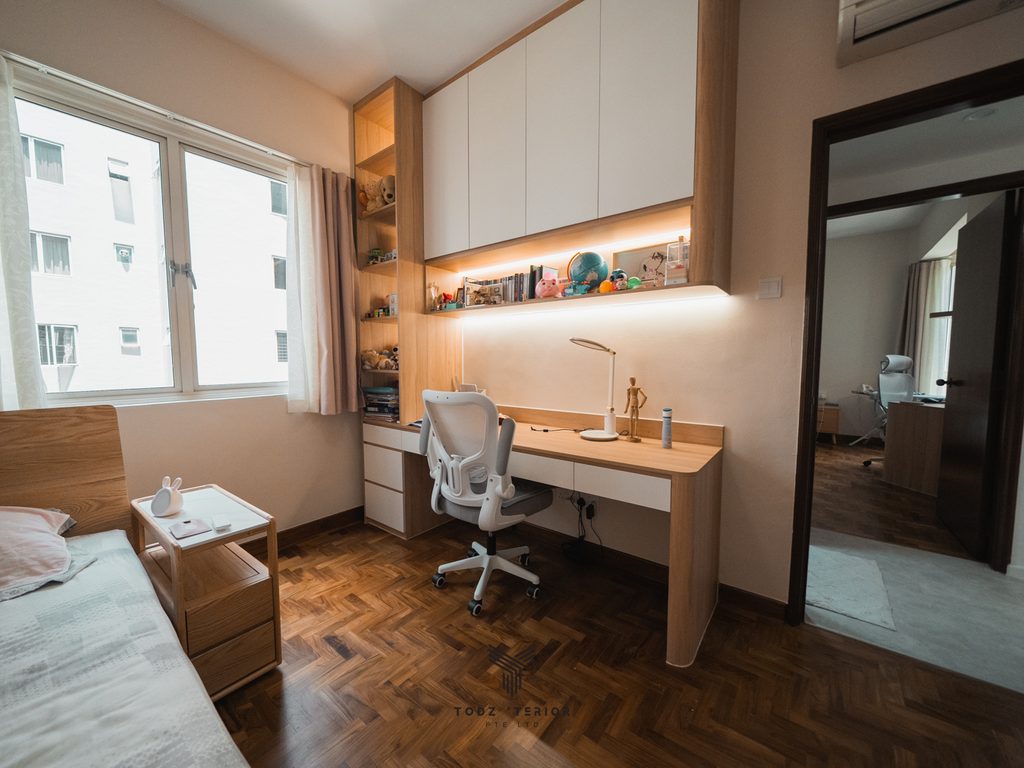
Set a Realistic Budget and Prepare for Unexpected Costs
Renovation costs can vary depending on your property’s size, condition, material choices, and the extent of the work required.
When comparing quotations, ensure that each interior design firm is pricing a similar scope of work. A lower quotation may exclude important items included in another firm’s proposal.
It’s also sensible to set aside a contingency budget for unexpected repairs, additional works, or material changes during renovation.
Before committing, discuss the payment schedule, renovation timeline, and how additional charges will be approved.
Ultimately, choosing the right interior designer is about finding the best balance between cost, workmanship, transparency, and long-term value.
A detailed renovation quotation gives you greater confidence in your decision and helps you plan your dream home without unnecessary financial surprises.
5. Evaluate Communication and Project Management
Good communication is just as important as good design when choosing an interior designer in Singapore. Even the most beautiful renovation concept can become stressful if timelines are unclear, updates are inconsistent, or concerns are not addressed promptly.
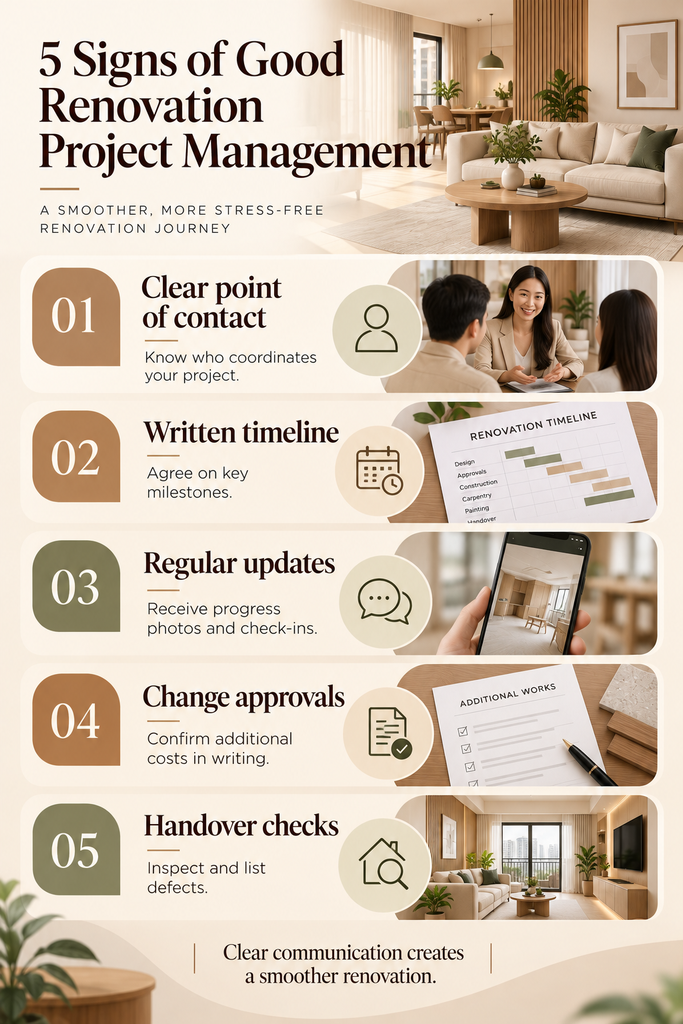
A reliable interior designer should be responsive, transparent, and able to coordinate the different stages of your renovation efficiently.
Choose a Designer Who Communicates Clearly
From your first consultation, pay attention to how well the interior designer listens to your ideas and answers your questions.
A professional interior designer should explain design recommendations clearly, provide realistic expectations, and keep you informed about important decisions.
Before committing, consider asking:
- Who will manage my renovation project?
- How frequently will I receive progress updates?
- What happens if unexpected delays occur?
- How will additional works or design changes be approved?
Clear communication helps prevent misunderstandings and ensures that both parties remain aligned throughout the renovation journey.
Look for a Structured Renovation Process
An organised renovation process helps homeowners understand what to expect at each stage, from initial design planning to final handover.
A good interior design firm should provide a clear project timeline, coordinate contractors and material deliveries, and communicate any changes that could affect the renovation schedule.
At Todzterior, the design process includes understanding homeowners’ requirements, developing space-planning proposals, preparing detailed design concepts, finalising site measurements, and carrying out renovation works.
For a better understanding of what happens during a home renovation, explore Todzterior’s guide to home renovation in Singapore.
Ultimately, choosing an interior designer with strong communication and project management skills can make your renovation experience more organised and less stressful.
A well-managed renovation is not just about delivering a beautiful home, but also providing peace of mind throughout the entire process.
6. Check Client Reviews and Testimonials Before Choosing an Interior Designer
Before engaging an interior designer in Singapore, take some time to read reviews and testimonials from previous homeowners. While a beautiful portfolio showcases a firm’s design capabilities, genuine customer feedback can reveal what it’s like to work with the team throughout the renovation process.
Reviews can provide valuable insights into an interior designer’s communication, workmanship, reliability, and ability to deliver projects according to expectations.
Look Beyond Five-Star Ratings
A high rating may create a positive first impression, but it’s important to read the actual customer experiences rather than relying on star ratings alone.
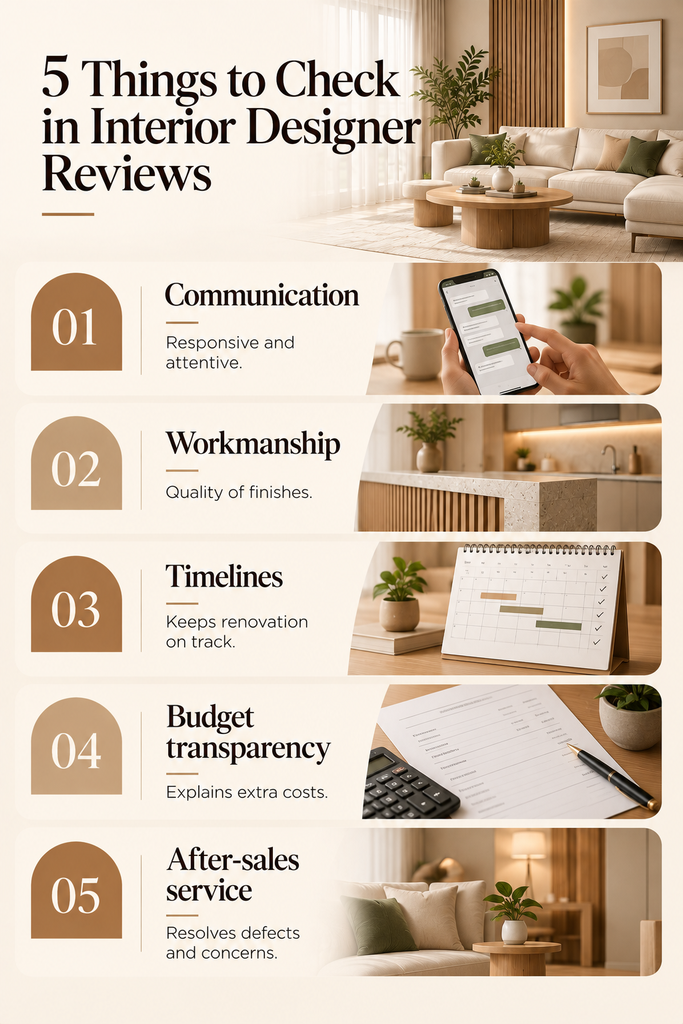
When reviewing feedback on Google Reviews or renovation platforms, pay attention to comments about:
- Communication: Was the designer responsive and attentive to the homeowner’s needs?
- Workmanship: Were the final finishes and renovation quality satisfactory?
- Project timelines: Was the renovation completed within the agreed schedule?
- Budget transparency: Were additional costs clearly explained?
- After-sales service: Were defects or concerns addressed after handover?
Look for consistent feedback across multiple reviews, including how the firm responds when challenges arise.
Verify the Firm’s Track Record Before Committing
Besides reading testimonials, consider checking independent reviews, completed projects, and the firm’s business credentials.
Singapore’s Consumers Association of Singapore (CASE) recommends researching a renovation contractor’s credibility and track record before signing a contract.
You should also request a written agreement outlining the scope of work, payment terms, and renovation timeline.
For additional peace of mind, explore Todzterior’s completed interior design projects and compare their portfolio with available customer feedback.
Ultimately, choosing a reliable interior designer isn’t just about finding someone with excellent ratings. It’s about selecting a team with a consistent track record, clear communication, and a professional approach to turning your renovation plans into reality.
7. Choose an Interior Designer Who Understands Your Lifestyle and Design Preferences
Your home should reflect your personality, preferences, and the way you live. That’s why choosing an interior designer in Singapore isn’t simply about finding someone who creates beautiful spaces. It’s about finding someone who understands your vision and can translate it into a home that feels uniquely yours.
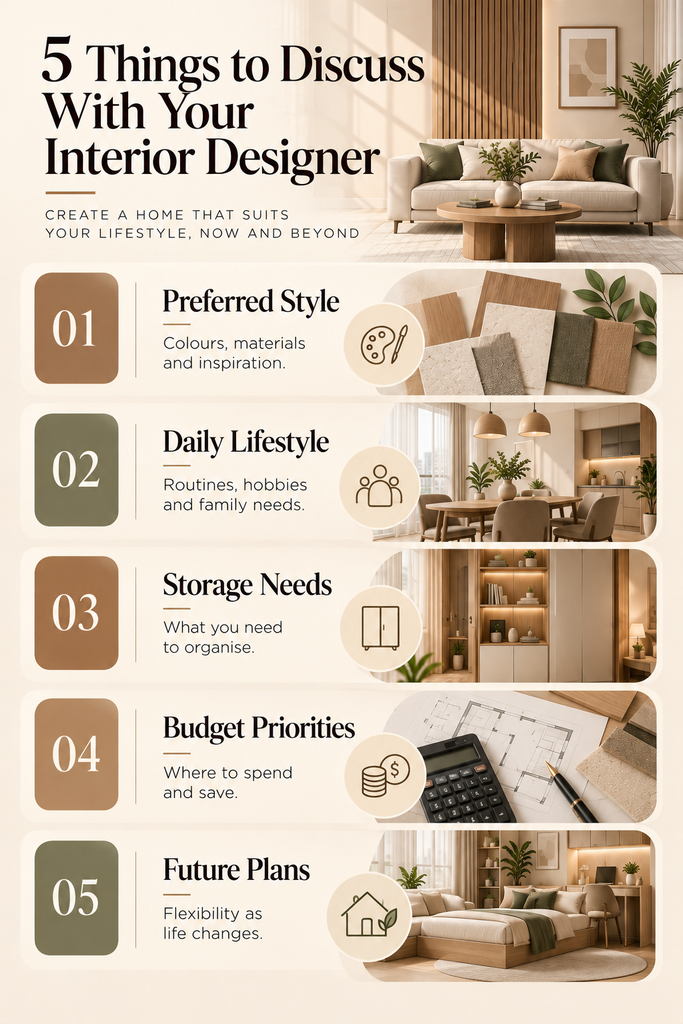
A good interior designer should take the time to understand your lifestyle, daily routines, and design preferences before recommending a concept.
Find a Designer Who Understands Your Personal Style
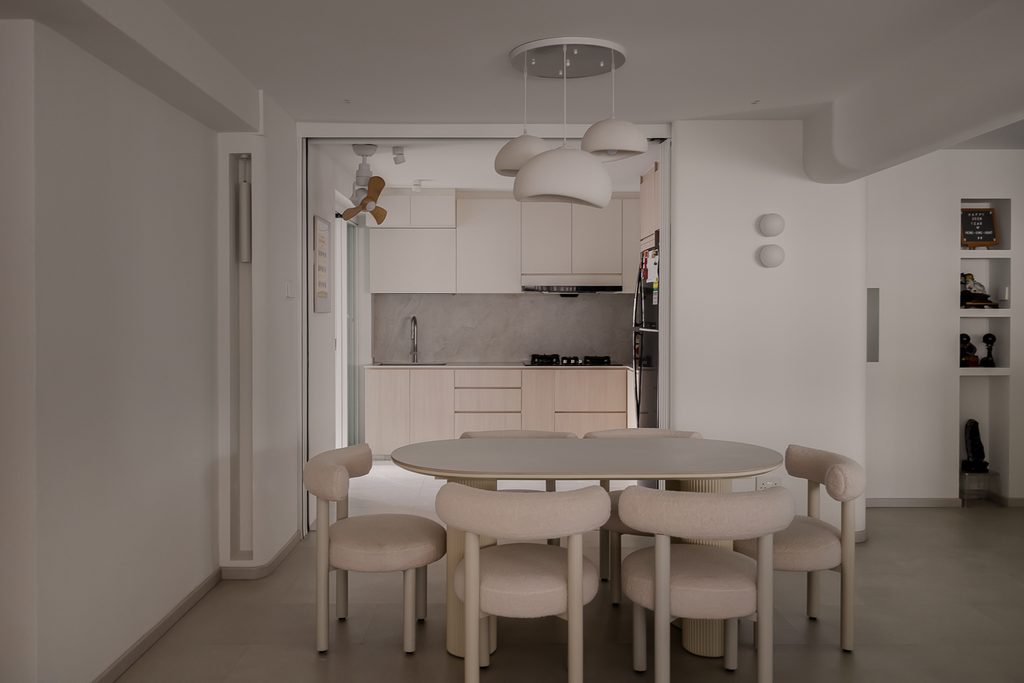
Whether you prefer a warm Japandi interior, a clean minimalist home, or a sophisticated contemporary design, your interior designer should be able to adapt their approach to suit your preferences.
During the initial consultation, share inspiration photographs, preferred colour palettes, and examples of interiors you love.
More importantly, observe whether the designer listens to your ideas and offers suggestions that improve functionality without compromising your preferred aesthetic.
If you’re drawn to simple, uncluttered interiors, Todzterior’s article on incorporating minimalist design into your home offers inspiration for creating a calm and practical living space.
Choose a Home Design That Fits Your Everyday Needs
Beyond aesthetics, your home should support your lifestyle.
For example, homeowners who enjoy cooking may prioritise a functional kitchen, while families with young children might need practical storage, durable materials, and flexible living areas.
A thoughtful interior designer should consider these needs during the planning stage rather than focusing solely on visual trends.
At Todzterior, the design process begins with understanding homeowners’ space requirements and preferred interior styles. From there, personalised space-planning proposals and design concepts help shape the overall renovation direction.
You can also browse Todzterior’s residential interior design portfolio to discover different design approaches and gather inspiration for your home.
Ultimately, the right interior designer should help you create a space that balances personal style, everyday functionality, and long-term comfort.
Rather than simply following the latest trends, choose a designer who can turn your ideas into a home that truly reflects how you want to live.
Why Choose Todzterior for Your Home Renovation in Singapore?
Choosing the right interior designer is about finding a team that understands your vision, lifestyle, and renovation needs.
At Todzterior, the focus is on creating personalised living spaces that combine thoughtful space planning, practical functionality, and appealing design.
Whether you’re renovating a BTO flat, upgrading a resale HDB apartment, or refreshing your condominium, Todzterior offers a design approach tailored to your home and preferences.
Your dream home begins with the right design partner.
Whether you already have a clear renovation concept or need professional guidance, Todzterior can help you explore practical design possibilities for your space.
Take the first step towards a home that reflects your personality and lifestyle.
Get Your Free Renovation Consultation & Submit Your Enquiry to Todzterior
Share your renovation requirements, preferred design style, and budget to begin discussing your dream home with the Todzterior team.
Frequently Asked Questions About Choosing an Interior Designer in Singapore
1. How do I choose a reliable interior designer in Singapore?
Start by reviewing the interior designer’s completed projects, customer reviews, renovation experience, and communication style. Choose a firm that provides transparent quotations, understands your property type, and can create a design that suits your lifestyle and budget.
2. How much does it cost to hire an interior designer in Singapore?
The cost depends on your property’s size, renovation scope, materials, and design requirements. A new BTO renovation may cost less than an extensive resale HDB renovation involving hacking, plumbing, and major carpentry works. Request a detailed quotation to understand the expenses involved.
3. Should I hire an interior designer or a renovation contractor?
An interior designer typically provides design consultation, space planning, material recommendations, and renovation coordination. A renovation contractor primarily focuses on executing renovation works. If you need help developing a cohesive design concept and managing multiple renovation elements, engaging an interior design firm may be more suitable.
4. How early should I engage an interior designer before renovation?
Ideally, start researching and speaking with interior designers around three to six months before your intended renovation date. This gives you time to compare quotations, finalise layouts, select materials, and plan the renovation schedule without rushing important decisions.
5. What questions should I ask an interior designer before signing a contract?
Ask about their experience with similar properties, estimated renovation timeline, payment schedule, warranty coverage, and how additional costs will be handled. You should also clarify who will manage your project and how frequently you will receive renovation updates.
6. Can an interior designer help with HDB renovation permits?
An interior designer experienced in HDB renovations can help identify works that require approval and coordinate the permit process with the renovation contractor. However, HDB renovation works must be carried out by contractors listed in the HDB Directory of Renovation Contractors, and applicable approvals must be obtained before work begins.
7. Where can I find an interior designer for my HDB or condo renovation?
You can start by exploring established interior design firms, reviewing completed residential projects, and comparing customer feedback. Browse Todzterior’s residential interior design portfolio for inspiration, or contact Todzterior to discuss your renovation requirements and request a quotation.